Please fill out the form below to request a quote or to request more information about us. please be as detailed as possible in your message, and we will get back to you as soon as possible with a response. we're ready to start working on your new project, contact us now to get started.
Why Scalability Should Be a Top Priority in Your Cold Storage Systems Plan
2026-07-02
BingYan
35
In today's dynamic food industry, ensuring the scalability of your cold storage systems is essential. Scalable systems enable you to adapt to fluctuating demand and changing business conditions, making them a top priority. This article will explore why scalability should be a top priority in your cold storage systems plan and discuss best practices for scaling industrial cold storage systems.
Introduction
Cold storage systems are fundamental in preserving food quality and safety across the supply chain. They play a critical role in the food industry by maintaining optimal temperatures, extending shelf life, and ensuring compliance with regulatory standards. However, as businesses grow and market demands change, the ability to scale these systems becomes paramount.
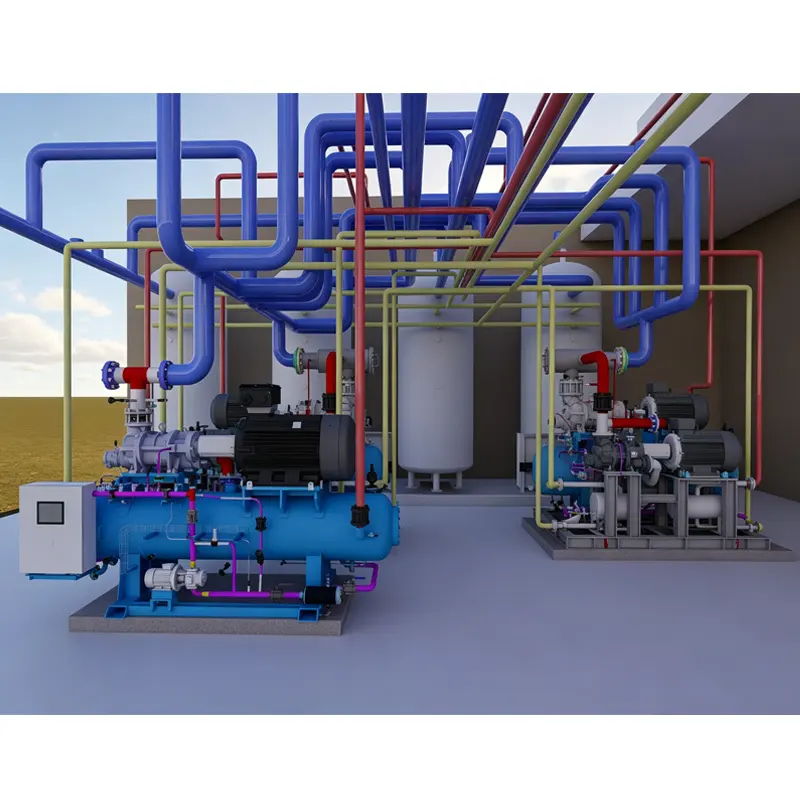
Definition of Cold Storage Systems
Cold storage systems encompass a range of facilities, including walk-in coolers, cold rooms, blast chillers, and refrigerated warehouses. These systems are designed to store food products at specific temperature ranges, typically between -20C to +5C, to prevent bacterial growth and preserve food freshness.
Importance of Scalability in Cold Storage Systems
Scalability in cold storage is crucial because it allows businesses to adjust storage capacity to meet fluctuating demand, minimize waste, and optimize operational efficiency. Scalable systems ensure that businesses can respond effectively to market changes, reduce operational costs, and maintain food quality and safety standards.
Understanding Cold Storage Systems
Types of Cold Storage Systems
Walk-In Coolers
Walk-in coolers are enclosed refrigerated spaces ranging from a few cubic meters to hundreds of square feet. They are commonly used in restaurants, supermarkets, and smaller food businesses.
Cold Rooms
Cold rooms are larger than walk-in coolers and can range from a few hundred to thousands of cubic feet. They are used in warehouses, wholesale markets, and large cold storage facilities.
Blast Chillers
Blast chillers are designed to rapidly cool food products to safe temperatures, ensuring that foods are stored within optimal temperature ranges quickly.
Refrigerated Warehouses
Refrigerated warehouses are large-scale storage facilities used for long-term food storage and distribution. They can store vast quantities of food products at controlled temperatures.
Common Challenges in Cold Storage
Cold storage systems face several challenges, including:
- Temperature Fluctuations: Proper temperature control is essential to prevent temperature spikes or drops that can affect food quality.
- Energy Consumption: Managing energy costs and ensuring energy efficiency is crucial for sustainability and reducing operational expenses.
- Maintenance: Regular maintenance is required to ensure systems function optimally and prevent breakdowns.
Importance of Adaptability in Cold Storage
Adaptability in cold storage systems allows businesses to quickly respond to changes in demand, seasonal variations, and market dynamics. This adaptability ensures that storage capacity can be increased or decreased as needed, reducing waste and optimizing usage.
Why Scalability is Crucial
Business Growth and Demand Fluctuations
Business growth often leads to increased demand for storage capacity. Scalable systems enable businesses to expand storage capacity gradually as needed, rather than having to invest in entirely new systems.
Maintaining Food Quality and Safety
Scalable cold storage systems help maintain food quality and safety by ensuring consistent temperature control, preventing bacterial growth, and reducing the risk of spoilage. This is critical in maintaining consumer trust and meeting regulatory standards.
Reducing Operational Costs
Scalable systems can help reduce long-term operational costs by optimizing energy usage, minimizing waste, and reducing maintenance requirements. Efficiently managing storage capacity leads to cost savings and improved financial performance.
Compliance with Industry Regulations
Regulatory compliance is essential in the food industry. Scalable cold storage systems help businesses meet and maintain compliance standards, reducing the risk of fines and legal issues.
Best Practices for Scaling Industrial Cold Storage Systems
Modular Design Principles
Modular design allows systems to be easily expanded or contracted as needed. Each unit can be added or removed independently, providing flexibility and cost-effective expansion options.
Flexible Architecture
Flexible architecture includes the ability to integrate different components and technologies seamlessly. This flexibility ensures that systems can be customized and upgraded over time to meet evolving needs.
IoT Integration
Internet of Things (IoT) technology can be integrated into cold storage systems to provide real-time monitoring and control. IoT devices can track temperature, humidity, and other critical parameters, enhancing operational efficiency and responsiveness.
Temperature Management and Monitoring
Effective temperature management is crucial for maintaining food quality. Advanced monitoring systems can provide real-time data, enabling quick responses to temperature deviations and ensuring consistent storage conditions.
Energy Efficiency
Energy-efficient components, such as LED lighting and optimized insulation, contribute to reduced operational costs and environmental sustainability. Using energy-efficient systems can lead to significant cost savings and carbon footprint reduction.
Technological Advancements
Technological advancements in cold storage systems, such as smart sensors and data analytics, can provide valuable insights into system performance and help businesses make informed decisions. These technologies can also improve predictability and prevent potential issues before they become critical.
Cost-Effective Modular Cold Storage Design for Food Industry
Cost Considerations
Scalable systems can be cost-effective in the long run by reducing initial investment, minimizing maintenance costs, and optimizing energy usage. By scaling capacity incrementally, businesses can avoid overpaying for unnecessary storage space.
Energy Savings
Energy-efficient modular designs can lead to substantial energy savings. Advanced insulation, optimized cooling technology, and smart energy management systems can reduce energy consumption and lower operating costs.
Space Optimization
Modular systems can be tailored to fit specific space requirements, optimizing utilization and reducing unused storage capacity. This efficiency can lead to better space management and improved operational efficiency.
Customization and Adaptability
Modular designs offer customization options that allow businesses to adjust storage configurations as needed. This adaptability ensures that systems can be configured to meet changing business needs and maximize storage effectiveness.
Maintenance and Longevity
Properly designed and maintained modular systems can have longer lifespans and require less frequent major repairs. Regular maintenance and proactive monitoring can extend system life and reduce downtime.
Implementing Scalable Cold Storage Solutions
Planning and Forecasting
Effective planning and forecasting are essential in implementing scalable systems. Businesses should forecast future demand, assess infrastructure needs, and plan for gradual expansion or contraction as required.
Infrastructure Considerations
Infrastructure considerations include evaluating existing facilities and determining what modifications or additions are necessary to support scalable systems. This involves assessing electrical systems, ventilation, and other infrastructure components.
Workforce Development
Workforce development is critical for successful implementation. Training staff on new system components and operational protocols ensures that teams can operate and maintain scalable systems effectively.
IT and Technological Support
IT support and technological expertise are vital in integrating advanced systems, supporting data management, and ensuring consistent system performance. Regular updates and technical support ensure systems function optimally.
Tailored Solutions from BingYan
Competitive Advantage Overview
BingYan offers competitive advantages by providing high-quality, customizable cold storage solutions that are designed for scalability and adaptability. Our systems are engineered to meet industry standards and exceed regulatory requirements.
Quality Assurance
Quality is at the core of all BingYan solutions. Our systems undergo rigorous testing and certification processes to ensure reliability and performance. We provide comprehensive warranties and guarantees to give our clients peace of mind.
Customer Support
BingYan is committed to exceptional customer support. Our dedicated teams provide responsive service, proactive maintenance, and ongoing support to ensure that our systems perform optimally. We also offer training and resources to help clients maximize the benefits of our scalable solutions.
Table of Contents
- 2.1.1Walk-In Coolers
- 2.1.2Cold Rooms
- 2.1.3Blast Chillers
GET IN TOUCH WITH Us
From tailor-made refrigeration solutions for customers, to independently producing high-quality refrigeration equipment, to professional and efficient on-site installation, as well as thoughtful and comprehensive after-sales support, we are committed to providing customers with one-stop refrigeration solutions to meet the diverse needs of customers in different industries and scales.
Useful Links
Products
Contact Us
Contact person: Su
WhatsApp: +86 191 0639 6586
WeChat: +86 191 0639 6586
Add:Room 106, Building 2, Capital Airport Center, Chengyang District, Qingdao
Copyright © 2026 BingYan | Sitemap | Privacy Policy