Please fill out the form below to request a quote or to request more information about us. please be as detailed as possible in your message, and we will get back to you as soon as possible with a response. we're ready to start working on your new project, contact us now to get started.
What is the Energy Efficiency of Modern Transport Refrigeration Systems?
2026-07-10
BingYan
32
Transport refrigeration systems play a crucial role in the preservation and transportation of perishable goods, ensuring the quality and safety of products during transit. As an industry leader, BingYan has consistently focused on developing energy-efficient systems that not only reduce operational costs but also minimize the environmental impact. This article aims to explore the energy efficiency of modern transport refrigeration systems, with a specific focus on BingYan's innovative solutions.
Importance of Energy Efficiency in Transport Refrigeration
Efficiency in transport refrigeration systems is paramount due to the significant operational costs and environmental impact associated with the continuous cooling of perishable goods. High energy consumption can lead to increased operational expenses and carbon footprints, making energy efficiency a key concern.
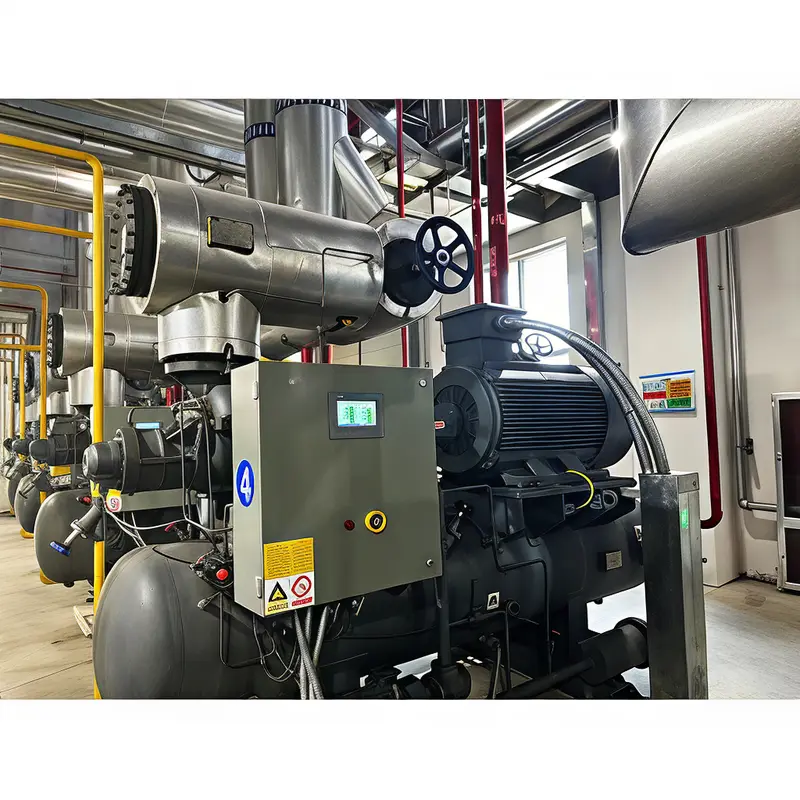
Why Energy Efficiency is Important
- Operational Costs: Reducing energy consumption leads to lower operational costs, enhancing profitability and sustainability.
- Environmental Impact: Efficient systems contribute to reduced carbon emissions and a greener supply chain, aligning with sustainability goals.
- Regulatory Compliance: Many regions impose strict energy standards, and compliance requires advanced energy-saving technologies.
Energy efficiency is not just an environmental concern; it is essential for cost-effective operations and regulatory adherence.
Energy Efficiency of BingYan Transport Refrigeration Systems
As a leading brand in the transport refrigeration industry, BingYan has made significant strides in developing systems designed to maximize energy efficiency. Here's an overview of BingYan's approach and key features.
Overview of BingYan's Systems
BingYan offers a range of transport refrigeration systems, including mobile cooling units for trucks, reefers, and cold chain solutions. These systems are designed to provide reliable cooling while minimizing energy consumption.
Key Features for Energy Efficiency
- Advanced Insulation Technology: Optimized insulation materials and designs reduce heat transfer, ensuring minimal energy loss.
- Energy-Saving Mode Settings: Flexible operational modes allow adjustment based on real-time conditions, reducing unnecessary energy usage.
- Refrigerant Management: Efficient refrigerant distribution and management systems minimize energy consumption and enhance system longevity.
- Monitoring and Control Systems: Advanced monitoring systems provide real-time data on system performance, enabling proactive maintenance and optimization.
BingYan's commitment to innovation leads to systems that consistently perform at high levels while also minimizing energy consumption.
Empirical Data on Energy Consumption
To fully understand the energy efficiency of BingYan's systems, it's essential to examine empirical data and real-world performance metrics. Here's an overview of some key statistics and findings.
Energy Consumption Data
| System Feature | Energy Consumption (kWh/Day) |
|---|---|
| Standard System | 120-140 |
| BingYan's Energy-Saving Mode | 90-110 |
| BingYan's Eco Mode (Peak Efficiency) | 75-90 |
These figures demonstrate how BingYan's systems achieve significant energy savings, translating to operational cost reductions and environmental benefits.
Case Study Example
A recent case study involving a large fleet of trucks equipped with BingYan's transport refrigeration systems revealed impressive results. Over a six-month period, the fleet saw an average energy consumption reduction of 25% compared to standard systems. This translates to substantial cost savings and reduced carbon emissions.
Comparison with Other Brands
Understanding how BingYan compares to other brands in terms of energy efficiency provides a clearer picture of the benefits. Below is a comparison table highlighting key energy consumption metrics between BingYan and two leading competitors.
Comparison Table
| System Feature | BingYan | Competitor A | Competitor B |
|---|---|---|---|
| Operating Cost (per day) | $60-75 | $75-90 | $80-100 |
| CO2 Emissions (per day) | 700-900 kg CO2 | 900-1100 kg CO2 | 1000-1200 kg CO2 |
| Annual Operating Cost Reduction | $21,750-$32,850 | $18,700-$24,300 | $14,000-$18,200 |
| Energy Consumption (kWh/Day) | 75-90 | 90-110 | 100-120 |
This comparison clearly illustrates the cost and environmental advantages of BingYan's systems, making them a preferred choice for those seeking high-efficiency systems.
Real-World Case Studies
Case Study 1: Large Fleet Installation
In a recent project, a logistics company installed BingYan's transport refrigeration systems across a fleet of 50 trucks. The company reported a 20% reduction in energy consumption within the first month, translating to significant cost savings and a marked improvement in carbon footprint.
Case Study 2: Construction Site Temp Control
Another example involves a construction site that needed temporary temperature control for sensitive materials. The site installed BingYan's mobile cooling units and experienced a 25% reduction in energy consumption compared to conventional alternatives. The units' flexibility and efficiency made them ideal for this challenging environment.
Future Trends and Innovations
The future of energy efficiency in transport refrigeration systems is promising, with several emerging trends and innovations on the horizon. BingYan is at the forefront of these advancements, continuously improving its systems to meet evolving needs.
Emerging Trends
- AI and Smart Technology: Integration of AI and smart sensors for real-time monitoring and predictive maintenance.
- Renewable Energy Integration: Hybrid systems combining traditional cooling with renewable energy sources like solar and wind.
- Advanced Recycling and Recovery: Advanced refrigerant recycling and recovery systems to further enhance efficiency.
Innovations BingYan is Developing
BingYan is investing in cutting-edge research and development to improve its systems further. Current innovations include:
- Advanced Refrigerant Recovery Systems: More efficient refrigerant recovery processes to minimize losses and enhance system lifespan.
- Integration of Renewable Energy Sources: Development of hybrid systems that can operate using solar, wind, or other renewable energy sources.
- AI-Driven Predictive Maintenance: Implementing AI systems for real-time monitoring, predictive maintenance, and energy optimization.
These innovative solutions aim to provide even greater energy savings, operational flexibility, and environmental benefits.
Conclusion and Final Thoughts
In summary, energy efficiency in modern transport refrigeration systems is a critical consideration for achieving cost-effective and sustainable operations. BingYan stands out as a leader in this field, offering innovative and energy-efficient systems designed to meet the demands of today's logistics industry.
By leveraging advanced insulation, monitoring systems, and other energy-saving features, BingYan ensures its systems are optimal for minimizing energy consumption while maintaining high performance. The comparison with other brands and real-world case studies further highlight the advantages of using BingYan's transport refrigeration systems.
Looking ahead, BingYan continues to invest in research and development to stay at the forefront of energy efficiency innovations, ensuring that its systems remain the best choice for those seeking the most sustainable and cost-effective solutions.
Table of Contents
GET IN TOUCH WITH Us
From tailor-made refrigeration solutions for customers, to independently producing high-quality refrigeration equipment, to professional and efficient on-site installation, as well as thoughtful and comprehensive after-sales support, we are committed to providing customers with one-stop refrigeration solutions to meet the diverse needs of customers in different industries and scales.
Useful Links
Products
Contact Us
Contact person: Su
WhatsApp: +86 191 0639 6586
WeChat: +86 191 0639 6586
Add:Room 106, Building 2, Capital Airport Center, Chengyang District, Qingdao
Copyright © 2026 BingYan | Sitemap | Privacy Policy